Overview
The Arab region comprises three diverse and culturally distinct geographical areas, namely the Middle-East region, the Maghreb and the Gulf States. Across these three sub-regions are displayed considerable disparities and differences in levels of development, economics, politics, legal systems and culture. National capacities, capabilities and treaty adherence relevant to UNODC's mandates and operations vary from country to country.
Moreover, this is a region that has a number of conflict, post-conflict and fragile states, which contribute to an environment of violence and unrest, but also with considerable negative consequences on neighboring countries in the region.
Throughout the Arab region, poor governance, insecurity, conflicts, poverty and economic disparities among and within countries of the region are providing opportunities for trans-national organized crime, as is reflected in increasing incidences of illicit trafficking in drugs, persons, money, and arms, and the consequential generation of proceeds of crime and acts of money-laundering.
Growing challenges
The drug and crime control issues are becoming more and more prominent in the region, and have the potential to escalate considerably if countermeasures are not strengthened now. HIV/AIDS, which was not previously a particularly prevalent problem in the region, is now increasing, particularly amongst injecting drug users in the prison justice system. The situation is further aggravated due to the inadequate performance of the criminal justice system.
The institutional challenge of combating transnational organized crime and terrorism in the region largely relate to the human, organizational and financial capacities of national counterparts to respond to these forms of criminal conduct. While the ratification of international conventions dealing with crime and drug matters is a step forward, adherence to such legal instruments requires an in-depth understanding of complex legal issues, political will and capacity to implement them in a coherent manner.
UNODC assistance
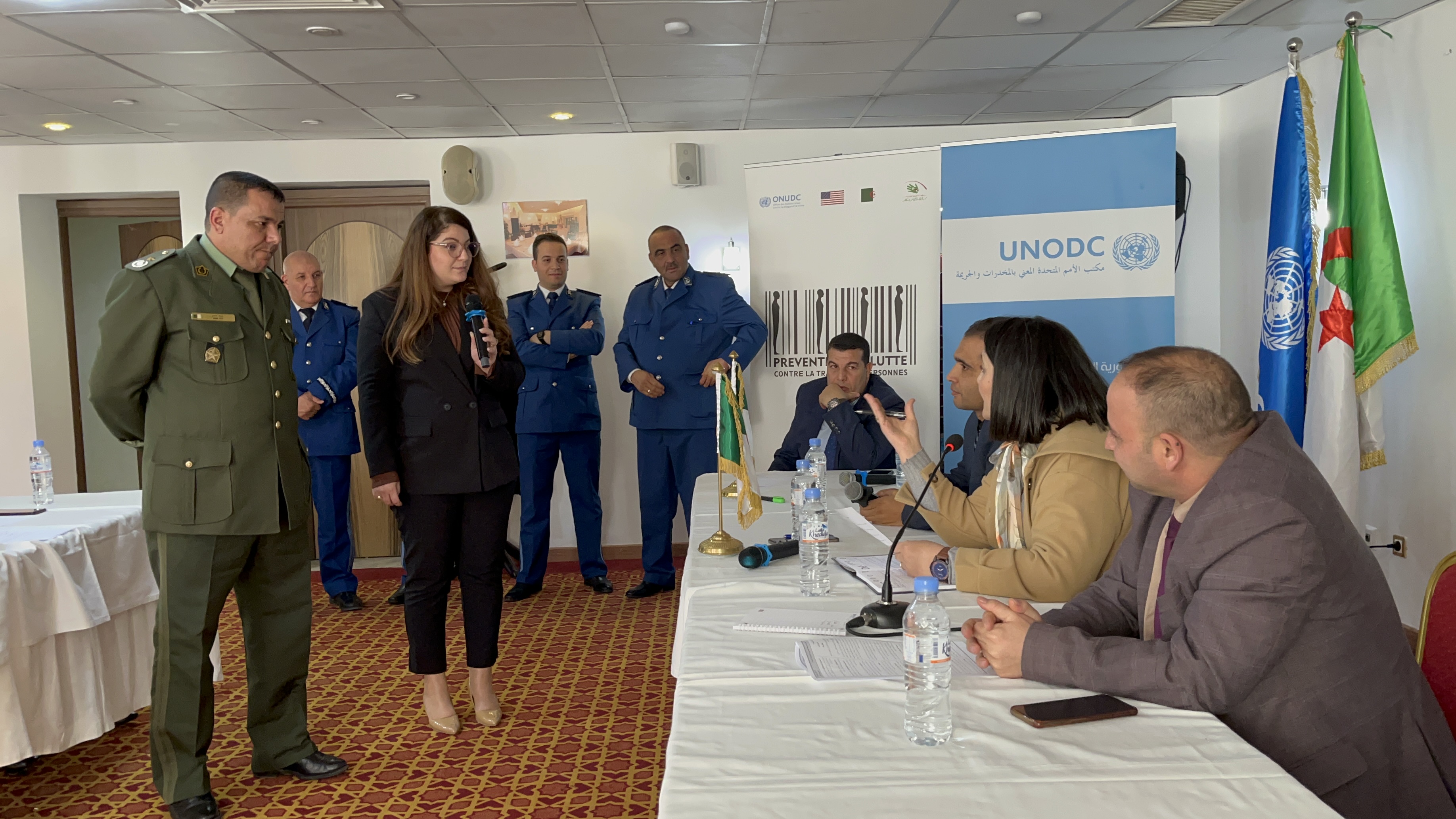
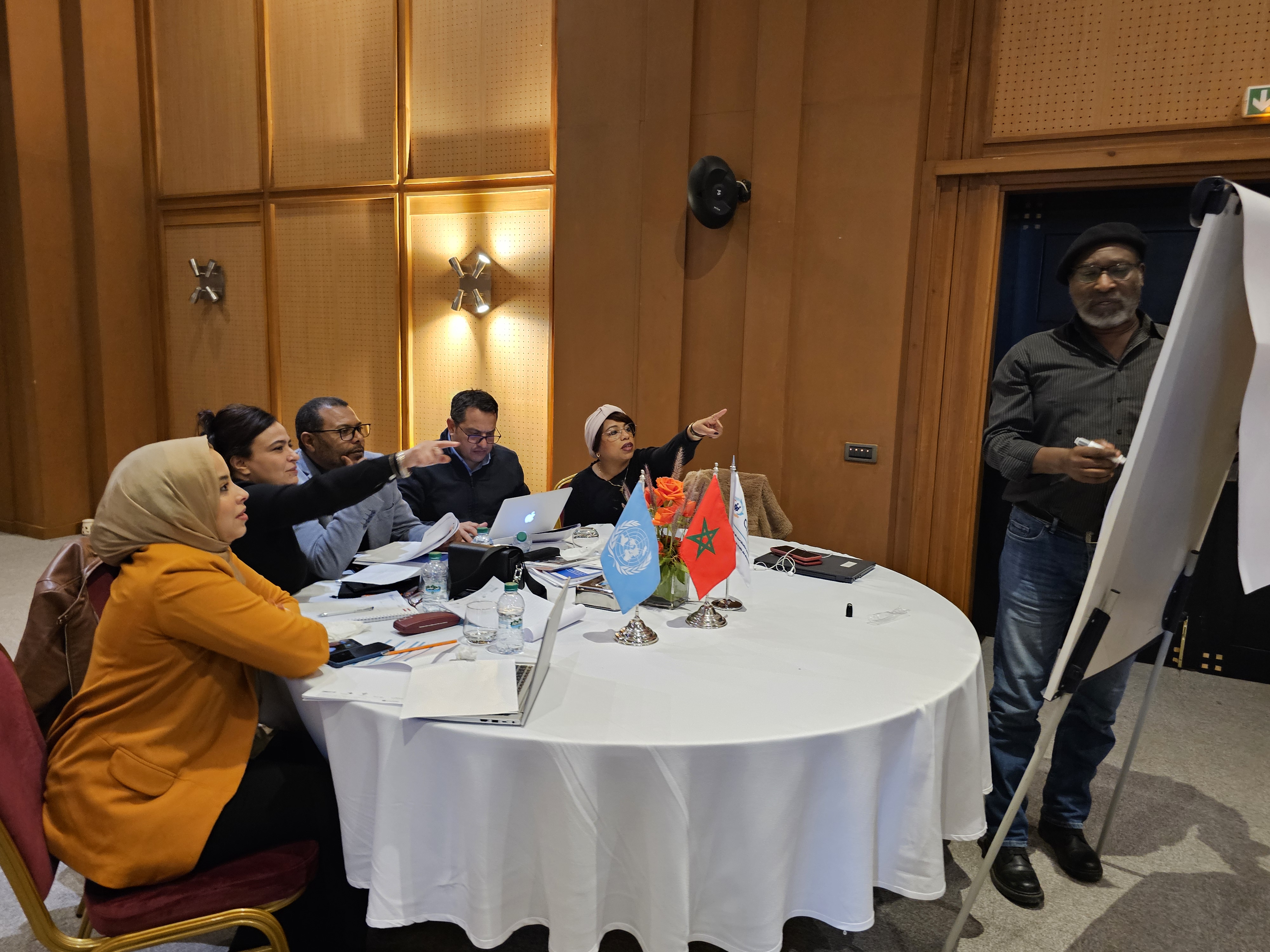
The mission of the office is to work with the countries to tackle the drug and crime problems and its consequences by:
- Alerting the governments to the threats posed by drug abuse to individuals, families, communities and institutions.
- Building and supporting local and national partnerships to address drug and crime issues.
- Promoting and enhancing efforts to reduce drug abuse, particularly among the youth.
- Strengthening national action against drug production, trafficking and drug related crimes.
- Providing information, analysis, and expertise on the drug and crime issues.
Since beginning work in the MENA region, UNODC's delivery assistance has grown substantially. In the period 2008-2009, the UNODC Regional Office for Middle-East and North Africa (ROMENA) delivered $15 million in technical assistance. UNODC is seen as a trusted and experienced partner for Member States and regional bodies in the Middle East and North Africa.
Regional Programme 2011-2015
To support the effort of Member States in the Arab region to respond to evolving threats, UNODC established the Regional Programme 2011-2015. It covers eighteen countries: Algeria, Bahrain, Egypt, Iraq, Jordan, Kuwait, Lebanon, Libya, Morocco, Oman, Palestinian Authority, Qatar, Saudi Arabia, Sudan, Syria, Tunisia, United Arab Emirates and Yemen.
Learn more in the Regional Programme Framework page.