Welcome to the United Nations
United Nations
UNODC Regional Office for Southeast Asia and the Pacific
Site Search
Search the site
Regional Programme and Strategy
Transnational Organised Crime
Drugs and precursors
Human trafficking
Smuggling of migrants
Crimes that Affect the Environment
Border management
Anti-money laundering
Cybercrime
Anti-Corruption
Overview
Resources
Activities
Terrorism Prevention
Overview
Resources
Criminal Justice Systems
Crime prevention
Criminal justice reform
Cross-border criminal justice cooperation
Combating child sex offences
Prison management
South East Asia Justice Network (SEAJust)
Drugs and Health, and Alternative Development
Drug Use Prevention
Drug use treatment and re-integration
Drug Use and HIV
Sustainable alternative development
Resources
Stories
Press Releases
Publications
Where We Work
Cambodia
Our Work
Contact Us
Indonesia
Regional Programme Indonesia Segment
Stories
Contact Us
Lao PDR
Our Work
Contact Us
Malaysia
Myanmar
Country Programme
Contact Us
Pacific Islands
Resources
What We Do
Papua New Guinea
Anti-Corruption Project
Resources
Contact Us
Philippines
Contact Us
Viet Nam
Country Programme
Contact Us
Job Opportunities
Who We Are
Regional Representative
Meet the Staff
Work Opportunities
Job Opportunities
Full Time Internship Programme
Contact Us
true
true
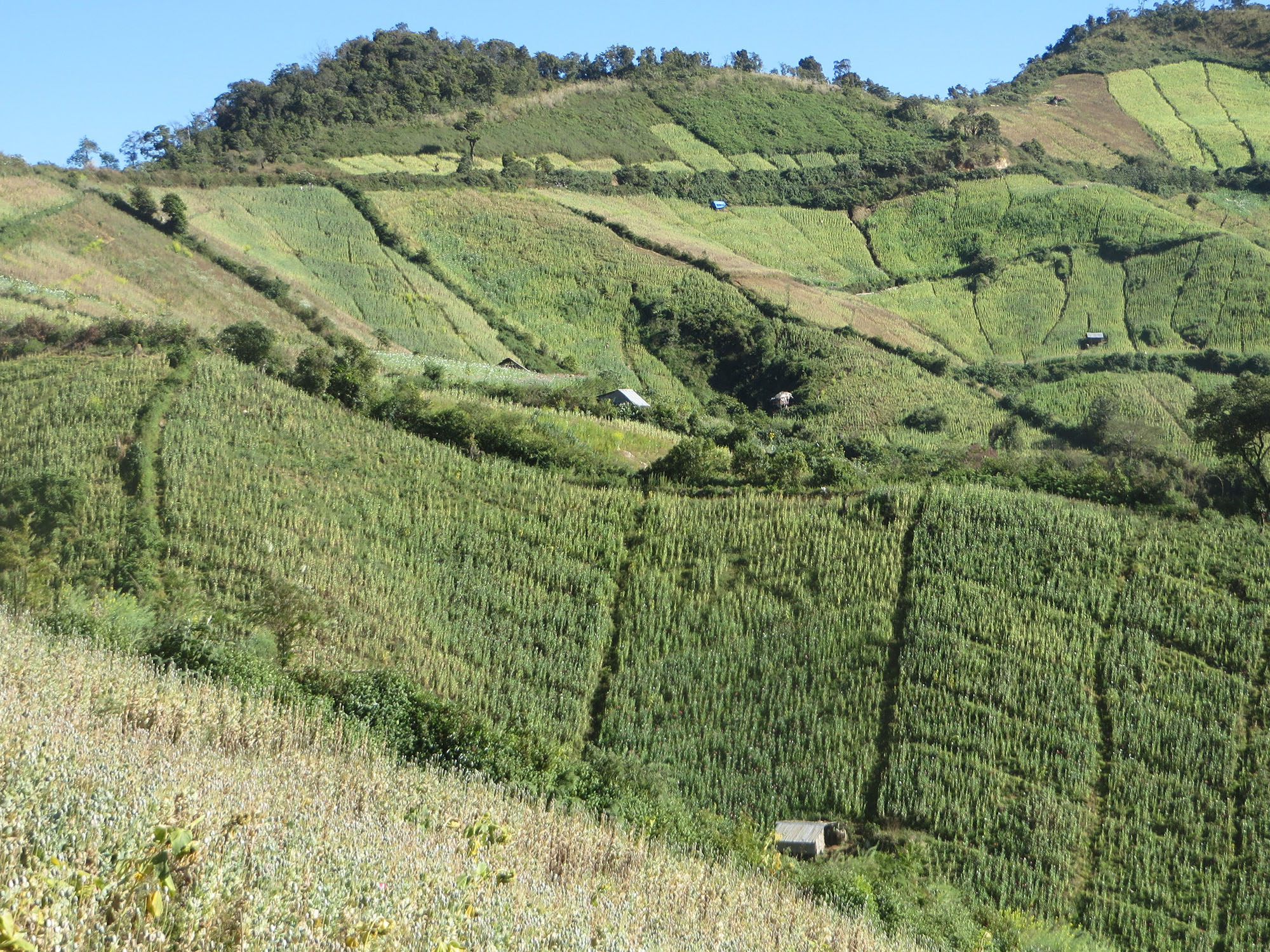
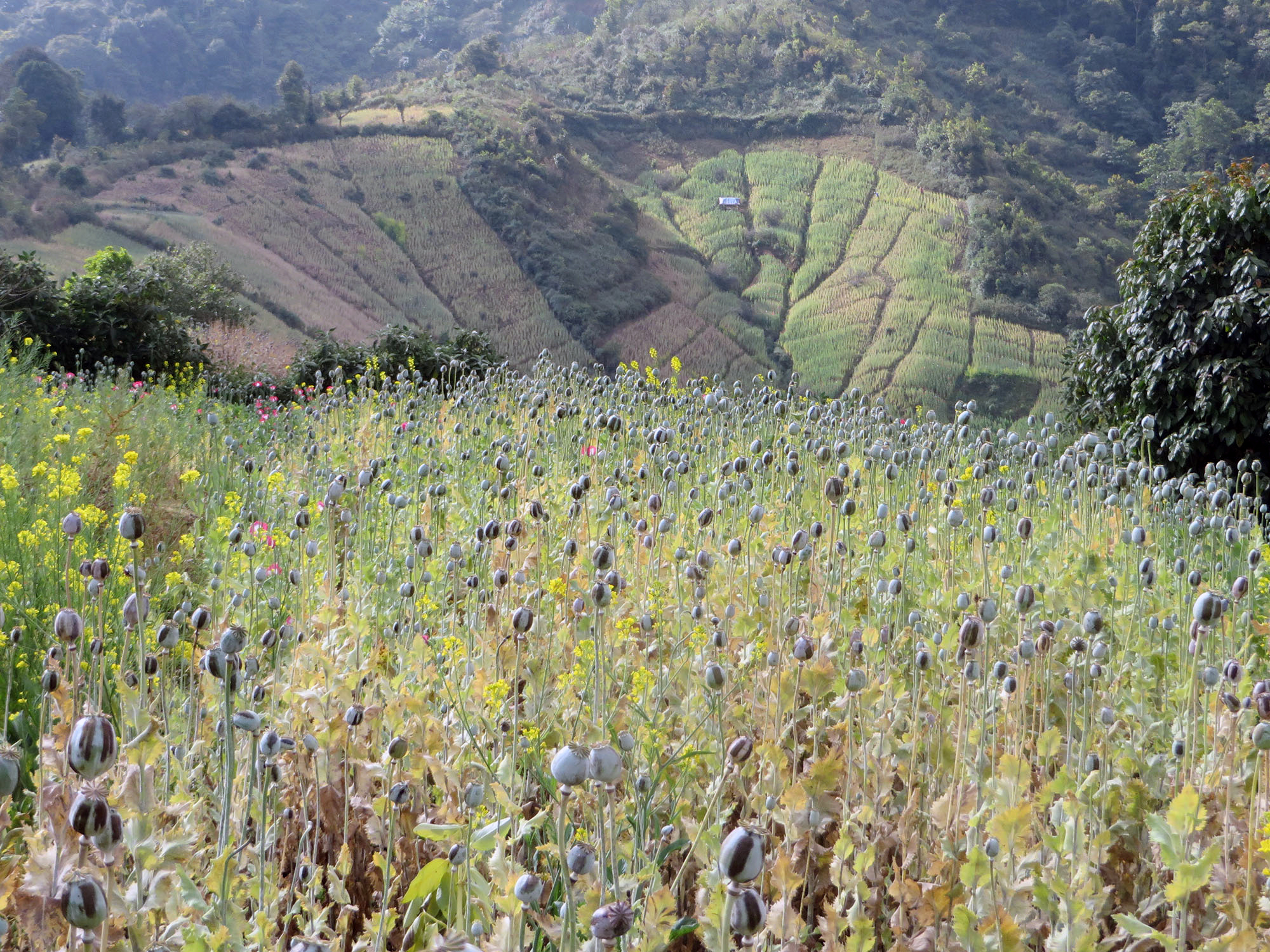
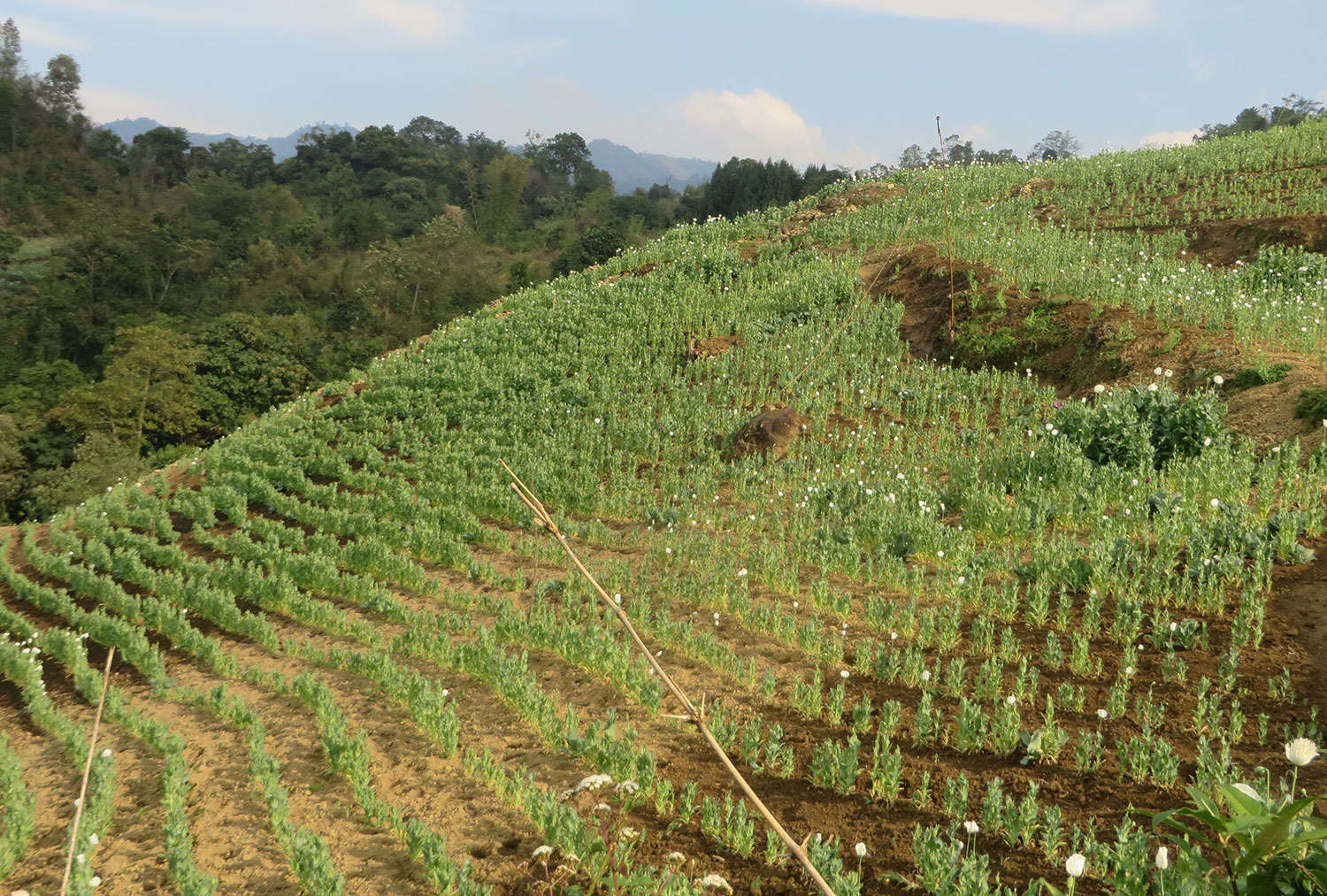
UNODC Report – major opium economy expansion is underway in Myanmar
26/01/2023
true
true
UNODC Report – signs of increased opium production in Myanmar
08/04/2022
true
true
UNODC report: opium production drops again in Myanmar as the synthetic drug market expands
11/02/2021
true
true
UNODC raises awareness of the gender-corruption nexus in Myanmar
16/12/2020
Previous
Next
All Stories
get connected