


News and Events
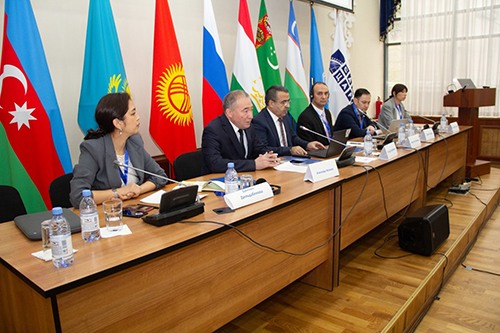

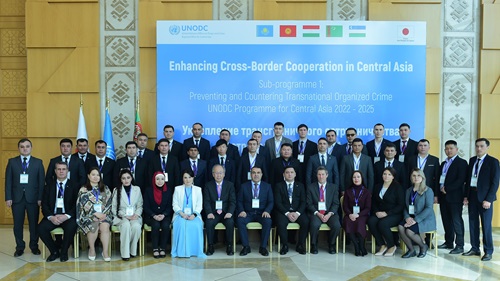
- 2024-04-04 14:08:07.0 - Pioneering Technologies to Combat Global Illicit Drugs and Other Crimes: Insights from CND 2024 Side Event
- 2024-04-04 12:46:08.0 - Transforming Communities: A Story of Empowerment and Change in Kyrgyzstan
- 2024-04-03 05:25:11.0 - UNODC Passenger and Cargo Border Team enhances theoretical knowledge of the Port Control Units of Turkmenistan and Uzbekistan through the UNODC-WCO Global Container Control Programme
Publications
Press Releases
- 2024-04-04 12:47:55.0 - Преобразование сообществ: История расширения прав и возможностей в предотвращении гендерного насилия в Кыргызстане
- 2024-04-02 06:46:48.0 - УНП ООН и АБР оказывают содействие Региональной платформе по ускоренной имплементации Конвенции ООН против коррупции в Центральной Азии
- 2024-03-28 10:41:29.0 - «Моя миссия – делиться знаниями»
Videos
A knowledge-based approach to tackling Afghanistan’s drug abuse crisis
UNODC Programme for Central Asia 2022-2025. Achievements 2021-2022.

Zumba Flash Mob 'For the Drug Free World!' at the World Drug Day 2022 in Uzbekistan
How To Avoid Becoming A Victim Of Human Trafficking Y-PEER Tajikistan Youth Network
UNODC supports development of community-oriented policing in Kazakhstan
Armenia: Achievements And Challenges In Crime Prevention And Criminal Justice
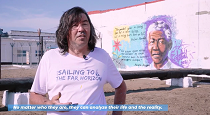
Arts Lessons For Prisoners and Creating Murals of Nelson Mandela

Celebrities in Kyrgyzstan demonstrate how drug abuse can change a person’s quality life