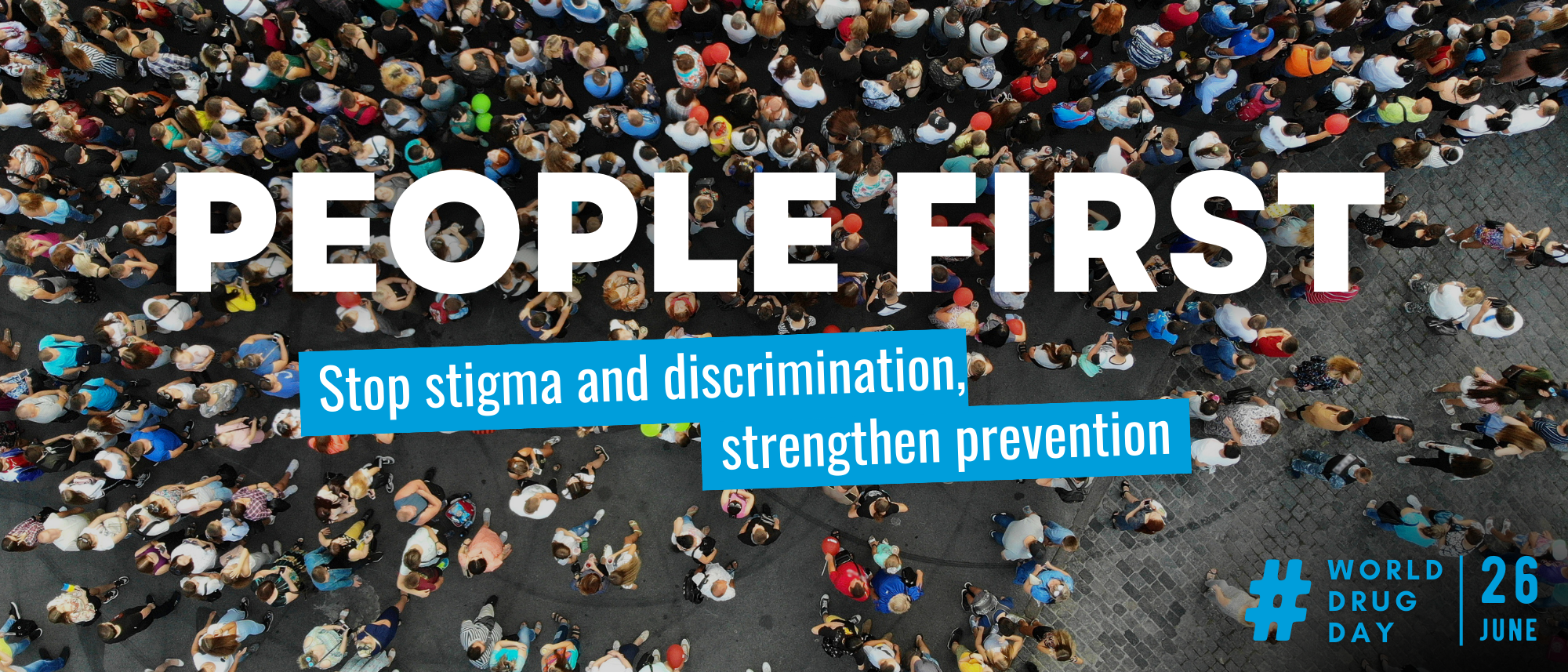
Global drug use and the number of drugs on the market have been increasing in the past decades. The century-long dominance of heroin in illicit global opioid markets is increasingly being challenged by changes in the illegal supply of opioids. Production, seizures and use of cocaine continue to rise, while low costs of manufacture and reduced risks of detection of synthetic drugs are contributing to their increase on illicit drug markets.
Drug trafficking groups are seeking out technological innovation to target new audiences and ensure that drugs increasingly reach their users and help boost their billion-dollar businesses.
|
English: |
World drug problem: persisting issues, new challenges, innovative responses |
|
Spanish: |
El problema mundial de las drogas: problemas recurrentes, nuevos retos y respuestas innovadoras |
|
French: |
Le problème mondial de la drogue : des enjeux persistants, de nouveaux défis, des réponses innovantes |
|
Arabic: |
مشكلة المخدرات العالمية: تحديات متواصلة، قضايا مستجدة، واستجابات مبتكرة |
|
Chinese: |
世界毒品问题:持续的问题,新的挑战,创新的应对 |
|
Russian: |
Мировая проблема наркотиков: сохраняющиеся проблемы, новые вызовы, инновационные решения |
|
Portuguese: |
O problema mundial das drogas: desafios persistentes, novas dinâmicas e soluções inovadoras |
|
German: |
Weltdrogenproblem: anhaltende Probleme, neue Herausforderungen, innovative Lösungen |
Illicit drug markets have always been adapting, and organized crime has always been looking to exploit gaps in governance and regulation.
In response to these challenges, this year’s campaign will showcase how the international community, local and national governments, civil society and the public is working together on innovative responses to reduce demand for and supply of illicit drugs and thus mitigate threats by:
All of this to protect people and communities.
Every year, UNODC issues the World Drug Report, full of key statistics and factual data obtained through official sources, a science-based approach, and research.
The report will be published on 26 June.
Governments, civil society, educators are particularly encouraged to take an active role: share on your online platforms the innovative ways you are staying ahead of trends and addressing the world drug problem.